

The production of metal cans is a complex industrial process that is mainly used for packing food, drinks and other products. This type of packaging is very popular in various industries due to its high durability, impact resistant and impermeable to air and light.
Production of metal cans
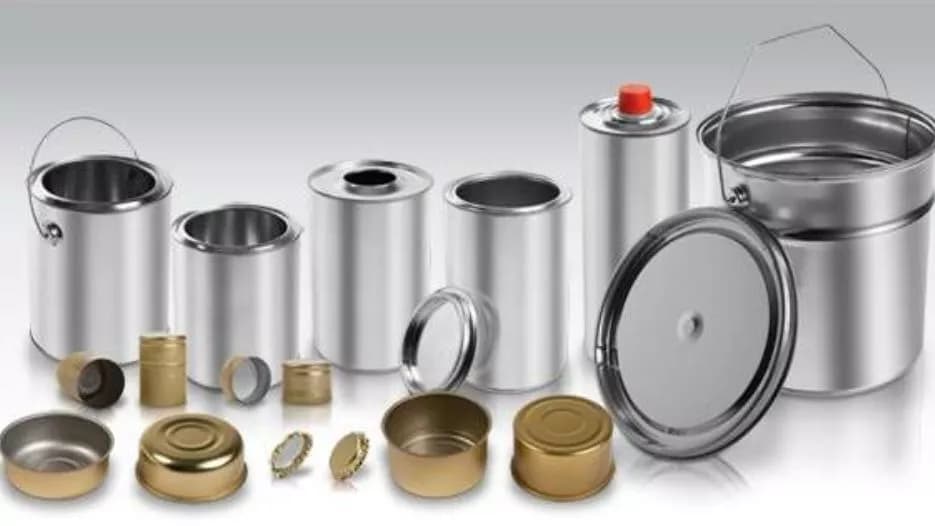
Metal cans for tomato and the importance of health in production by eternal cans
In the food packaging industry, tomato metal cans are one of the most used and important types of packaging. This type of cans not only help maintain the quality of the product, but also plays a vital role in food safety and prevention of contamination. Eternal Cans Company, using modern technologies and international standards, has gained a special place in the production of these cans.
Metal cans suitable for tomatoes
Tomato metal cans must have features that prevent product corruption. In the process of cannons, the use of stainless steel sheets, tomato acid -resistant interior, and precise sealing are among the things that are accurately respected in the eternal cans.
internal health cans; Main priority of eternal cans
One of the most important concerns of the cans is to maintain the domestic health of the can. The immortal cans, using allatomatic production lines, prevents human hand contact with the internal surface of the can. Also, all production steps are carried out under the supervision of the Quality and Industrial Health Control Unit.
In immortal cans, before the final packaging, the cans are washed with hot steam and disinfectants so that no microbial contamination will remain. This process has made the products of this cannon -making unit welcomed in domestic and foreign markets.
Benefits of using metal cans for tomatoes
- High durability: Cans using resistant metals allows tomatoes to hold for a long time.
- Conservation of Taste and Color: The interior of the cans used in eternal cans prevents the chemical reaction with tomatoes and preserves its natural taste.
- Food Safety: Observing the health principles of the cans prevents the transmission of contamination to the product.
The role of immortal cans in the development of the packaging industry
Eternal cans by investing in modern equipment, training specialized human resources, and adhering to international standards, has been able to become one of the most reputable brands in the field of cans. The company has a significant contribution to meeting the needs of the country's food industry by producing tomato cans.
Currently, eternal cans, in addition to the domestic market, have begun exporting metal cans to neighboring countries. This success is the result of the commitment of this cannabis to quality, health and innovation.
Conclusion
Tomato metal cans, if manufactured in accordance with international health principles and standards, can play an effective role in consumers' health. The Immortal Caning Company, focusing on quality and safety, has been able to provide a successful model in the cans. The future of the packaging industry depends on units such as immortal cans that pay attention to smart and hygienic production instead of low -quality mass production.
The process of producing metal cans consists of several main stages. First, raw materials, usually made of steel or aluminum, are made. These materials become thin sheets and bend in the form of round or square cans using special devices. After the initial formation, the cans are pressured and their seams and joints are welded to produce firmly and seamlessly.
One of the important steps in the production of metal cans is its interior and exterior coating. To prevent corrosion of the metal and maintain the product's health, special protective layers are applied to and out of the cans. These coatings are usually made of lacquer or heat -resistant paint and chemicals. Also, in dietary cans, odorless coating materials should be used in order not to affect the quality of the product.
The cans produced are transferred to the printing and labeling section, where product information and graphic designs are posted on them. Production of metal cans is also an environmentally friendly and environmentally friendly option due to the possibility of recycling. Metal recycling is less energy consumption than raw material production and reduces pollution.
What is the process of making metal cans?
The metal can's manufacturing process consists of several precise and specialized stages, each of which is essential for the production of a high quality and reliable end product. These steps are:
The preparation of raw materials to build a can
The main raw materials in the production of metal cans include steel or aluminum. These materials are very widely used in the packaging industry due to their high impact resistance, impermeability to air and light, as well as recyclable capability. Metal sheets are made in the form of large rolls that are used in later stages.
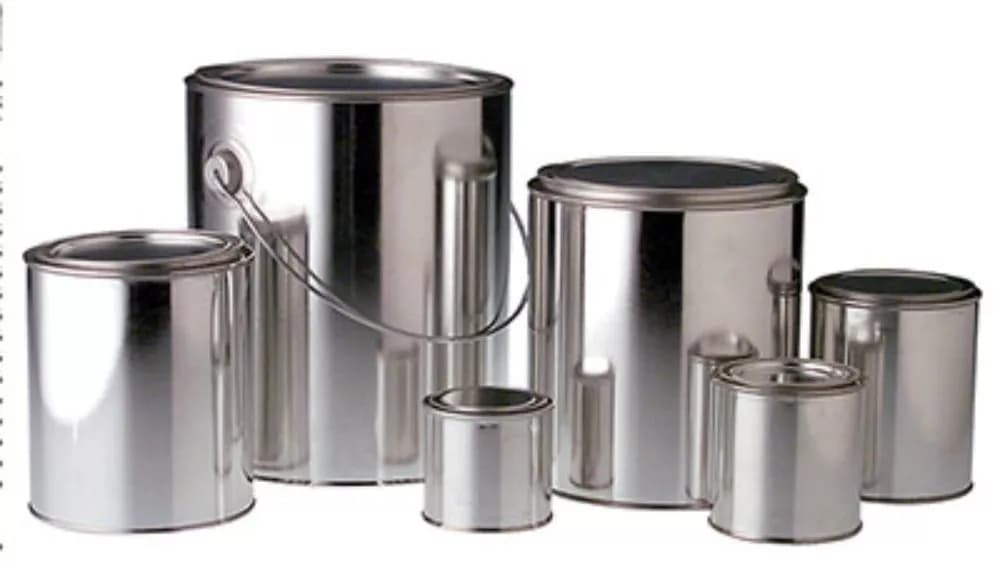
Cutting and shaping to build cans
Metal sheets are cut using special cutting machines. These sheets are then entered into forming machines to become the original can of the cans (usually cylindrical or square). For drinks cans, the Deep Drawing process is used to convert the sheet into a seamless cylindrical form.
Welding and sealing to produce cans
In cans made of steel sheets, the cutting edges need to be welded after forming. This step is done using electrical or laser welding to make the cans completely seamless. In aluminum cans, this step is less essential because the stretching process produces seamless cans.
Internal coverage of the cans
To prevent rust and chemical reaction between the metal and the contents of the can, the inner surface of the cans is coated with a protective layer of lacquer or resin. This coating is very important in food cans to keep the health product and prevent its taste and quality.
External covering and printing in the cannabis industry
In the next step, the cans are transferred to the printing section. Here's graphic designs and product information using different printing techniques on the outer surface of the can. This print should be highly durable so as not to be damaged during transportation or use.
Testing the quality of the cans produced
produced cans undergo pressure, penetration and resistance tests to ensure their health and efficiency. Also, the inner and external surface of the cans is checked so that there is no defect in the coatings and prints.
Final packaging
After quality tests, the cans are massively packaged and ready to be shipped to various industries to fill with food products, beverages and other commodities.
This process is very environmentally friendly due to the use of recyclable metals and reduced energy consumption compared to the production of new materials.
Conclusion
Producing high quality metal cans
- 🟣 Type of handle or wires and its thickness play a key role in the strength of the handle that should be high quality that should not be bent or arched during shipment.
- 🟣 The size and quality of the plastic seal or new seal straps should also be observed.
- 🟢 In the case of kilograms to 2kg containers, the quality and thickness of the sheet, the type of floor adhesive and the upper ring should also be observed.
نظرات و تجربیات شما
دیدگاه شما چیست؟
با ثبت امتیاز خود، به ما در تولید محتوای بهتر کمک کنید.