
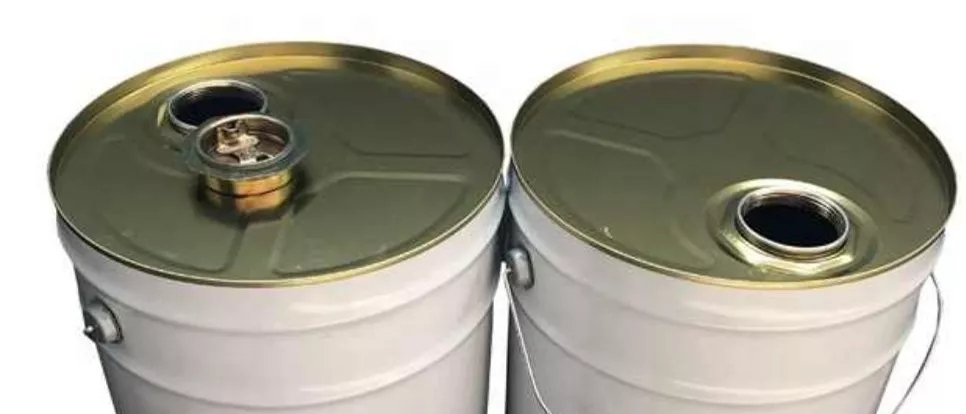
cans is one of the most vital industries in the metal packaging field. The industry plays a key role in the supply and security chain of goods by producing metal cans for the maintenance, distribution and marketing of products. Can't only guarantee the quality and health of the food, pharmaceutical and chemicals, but also play an important role in the product's survival and a professional appearance to brands.
In the metal packaging industry, various countries are involved in the design, production and technology of metal cans, but some countries have a more prominent position due to the high level of technology, quality standards, and variety of products. Among these countries, Germany is recognized as one of the most advanced and prestigious manufacturers of metal cans in the world.
Germany has been able to produce high -durable cans, complete durable cans, complete safety and engineered design by utilizing allatomatic machinery, precise quality control systems, and international standards. It is leading to the production of stainless steel cans for pharmaceutical and chemical industries, aluminum cans for drinks, and industrial cans for paint and oil. Devices used in German production lines include multi -stage press, laser -packed, digital turtle systems, and high precision UV printers.
Japan is another leading country in the industry. Japan's focus on producing light, biomass and intelligent cans has made it a special place in packaging drinks and cosmetics. Japanese devices with nanometer accuracy and automatic adjustment enable the production of minimalist and high quality cans.
In the US, the variety of metal cans is very high. Using industrial robots, smart quality control systems, and direct printing technology on metal, it has been able to produce cans with advanced graphic design and high resistance. America plays an important role in the production of paint cans, food, and industrial products.
China also has a large share of the global market with mass production and economics of metal cans for export. The devices used in China are a combination of semi -metal and allatomatic lines that allow fast and cost -effective production.
In the Arab countries, the production and preparation of metal cans for packing food, drinks, medicines and industrial products is done using modern technologies and imports of raw materials. This process takes place in two main forms: domestic production and import from industrialized countries.
In domestic production, cans in the Arab countries use advanced production lines, which include the following steps:
1. Metal Sheet Cutting: Imported steel or aluminum sheets are divided into appropriate sizes with cutting machines.
2. Body forms of the can: The sheets are molded in the form of cylindrical or other forms. This step includes stretching or metal presses.
3. Seam welding: In triangles, the side seams are closed with high frequency welding to prevent leakage.
4. Flange and sealing: The upper and lower edges of the cans are prepared for connecting the cap and then seal with special devices.
5. Quality Inspection and Testing: Cans are investigated in terms of leakage, strength and health.
6. Final Cleaning: Before filling, the cans are completely washed and disinfected.
Along with domestic production, many Arab countries also import metal cans from international producers, especially from Asian countries such as China, Türkiye and Iran. Imports usually include ready or semi -prepared cans used domestically for final packaging.
The role of metal cans in canned food packaging
Canned food packaging is one of the most important steps in the process of producing and supplying food products. This type of packaging not only helps maintain the quality and safety of food, but also plays an important role in enhancing and facilitating transportation. Among the types of packaging, metal cans are recognized as one of the most reliable and most used options.
Metal cans with features such as high impact resistance, air and light permeability, and high temperature tolerance, are an ideal option for canned food packaging. This type of packaging allows the product to sterilize the product and prevent the growth of microorganisms. Also, metal cans prevent the color, taste and nutritional value of the product over time.
The process of producing metal cans for food includes a variety of steps including cutting metal sheet, forming, internal coating to prevent chemical reaction with food, printing product information and final sealing. This process usually uses metals such as tin steel or aluminum, which can be recycled in addition to high durability.
from the marketing perspective, the metal packaging with a regular appearance and the ability to print full product information attracts consumer confidence. This type of packaging also performs well in the supply and distribution chain due to its high resistance to environmental conditions.
What is a can?
cans are called the design, production and assembly process of metal cans using tin sheets, aluminum or steel. These cans are made in round, square or rectangular shapes for various applications and vary depending on the type of product, sheet thickness, interior coating and printing. Cans can include cans with easy door, spray cans, industrial cans, etc.
The cans, originally formed with the aim of packing food and chemicals, has now become one of the most important pillars of metal parts for various industries
With the advancement of technology and the variety of industrial needs, cans have been able to expand their products beyond canned and spray cans and produce custom parts for large industries such as automotive, petrochemical, pharmaceutical and home appliances
Modern cannons using advanced machinery and specialized engineering teams are able to produce different types of metal components with precise specifications
These capabilities include designing and manufacturing dedicated molds, the use of tin sheets, stainless steel or aluminum steel, specialized printing and turtle for corrosion resistance and production of specific dimensions and shapes
Automotive companies refer to cannons for lubricant packaging, cleaning sprays, metal decorative parts and some light mechanical components
Mass production of uniform quality, reduced internal molding costs, brand printing and technical specifications on the piece and high resistance to environmental conditions are among the benefits of this collaboration
In addition to automotive, pharmaceutical, cosmetics, petrochemicals, food and home appliances, can also benefit from cans
These industries offer orders such as pharmaceutical spray cans, cream and shampoo packaging, chemical -resistant metal containers, canned cans and metal decorative parts to cans
The cans of the cans is no longer limited to packaging, but it has become a strategic partner for industries
Due to the capability of customization, high quality and production speed, industrial companies can cooperate with cans with some of their metal needs by saving time and money
Importance and place of cans in the packaging industry
Undoubtedly, cannabis is the point of relying on the metal packaging industry. The can of the cans, in addition to protecting against light, air and moisture, also prevents contamination. The same advantage has made cannons widely used in the following industries:
What is the use of cans?
Q: A set of design, production and assembly of metal cans; Cans made of tinplate, steel or aluminum sheets are used in a variety of dimensions and shapes for packaging. Cans are very widely used in the following industries due to high resistance to impact, moisture and light and oxygen penetration:
Cans
The variety of cans in the cans of the cans based on final consumption, design and raw materials is very high. Some types of cans are:
1. Food cans
🚀 Futuristic cans: When the metal becomes your brand narrator
Introduction
In a world with every second full of new choices, the packaging is no longer just a protective - but your brand ambassador. Metal cans, with its glossy appearance and durable structure, can tell a story of quality, trust and innovation. But do all cans have this power? No. Only those made with a forward -looking look.
---
🎯 Traditional cans against smart cans
In traditional cans, the main goal was to protect the product. The designs were simple and repetitive, and printing on cans was limited to base colors. No data of consumer behavior was included in the production process.
In contrast, smart cans are designed to build brand experience. Designs are fully customized and tailored to the target audience. High detailed digital printing is possible, and manufacturers use market data analysis to optimize the appearance and performance of the can. This type of cans not only protects the product, but also convey the brand message.
---
🧠 Cans that think: the future of packaging
Imagine having a can to direct the customer to the product page with NFC or QR code. Or cans with antibacterial coating for sensitive foods. These are no longer a dream - but there are the facts that the leading brands use.
---
💬 Customer Experience: When the cans speak
One of our customers, the manufacturer of industrial paint, reported that its sales had increased by 5 % after changing their cans to the new model with UV printing and easy -to -door door. Why? Because the customer felt a professional and reliable product.
---
🌱 Sustainability: Cans that respect the earth
Metal cans, unlike plastic, can be recycled up to 1 %. But we took one step further: using lead -free colors, reducing production waste, and designs that encourage the consumer to recycle.
---
Conclusion
can be made of metal anymore - but experience is experience. If you want your brand to remain in the customer's mind, you need to use cans that pass your brand's message beyond protection. The future is one of those who take the packaging seriously.
like canned cans, tomato paste, tuna and compote.
2. Color can
used for industrial and construction colors with resistant body.
1. Lubricant
recyclable, suitable for carrying different lubricants.
1. Spray cans
for cosmetics, pharmaceutical and industrial.
1. Easy cans
with advanced design for comfortable opening.
Steps to produce metal cans
Cans industry is a precise, qualitative standards process performed in several main stages:
Limit
Raw materials of cans
raw materials in the cannabis industry play a decisive role in the quality and durability of the finished product. The main ingredients used are:
Mathenings and tattahshahhhhhhhhhhhhhhhhhhhhhhhhhhhhhhhhhhhhhhhhhhhh
Cans
Production quality and circulation in cans is highly dependent on the type of machinery and equipment:
ME A A A Q: EL WOW WOW PHA NOT WW During SA Zi
Benefits of metal cans and cans
Metal cans continue to be the first choice in professional packaging; Because benefits including:
1. High physical strength and resistance
2. Inhibition of light, air and damage to the product
3. 100 % recycling environment
4. Longer contents of content
5. Print and advertising with high visual appeal
creates for brands and industries.
Challenges of cannabis industry in Iran
Despite the aforementioned benefits, cans also face challenges:
1. Extravagant Price of Tin and Aluminum Sheet
2. Environmental and Health Strokes
3. Increasingly with plastic and composite packages
4. Import and development of machinery technology
How to choose a reputable cannon company?
To select the best cans of the can be considered:
Conclusion:
Finally, cannons as the basis of the metal packaging industry guarantees the product by providing new solutions, health and shelf life. By selecting a professional and reputable cannon company you will not only improve your brand quality, but in the long run you will manage the costs of production and marketing.
Are you looking to produce industrial quality metal cans and stylish packaging for your product? Contact us right now for consulting and inquiries.